


Zinc Glycinate Chelate: Benefits and Absorption Guide
Zinc is a foundational mineral that your body cannot produce on its own. It is involved in hundreds of enzymatic reactions, influencing everything from your immune system to how you recover after a long day. However, getting enough zinc through diet alone can be difficult, and many standard supplements use forms that the body struggles to absorb. Understanding how zinc works, particularly in its chelated form, is the first step toward optimizing your natural performance.
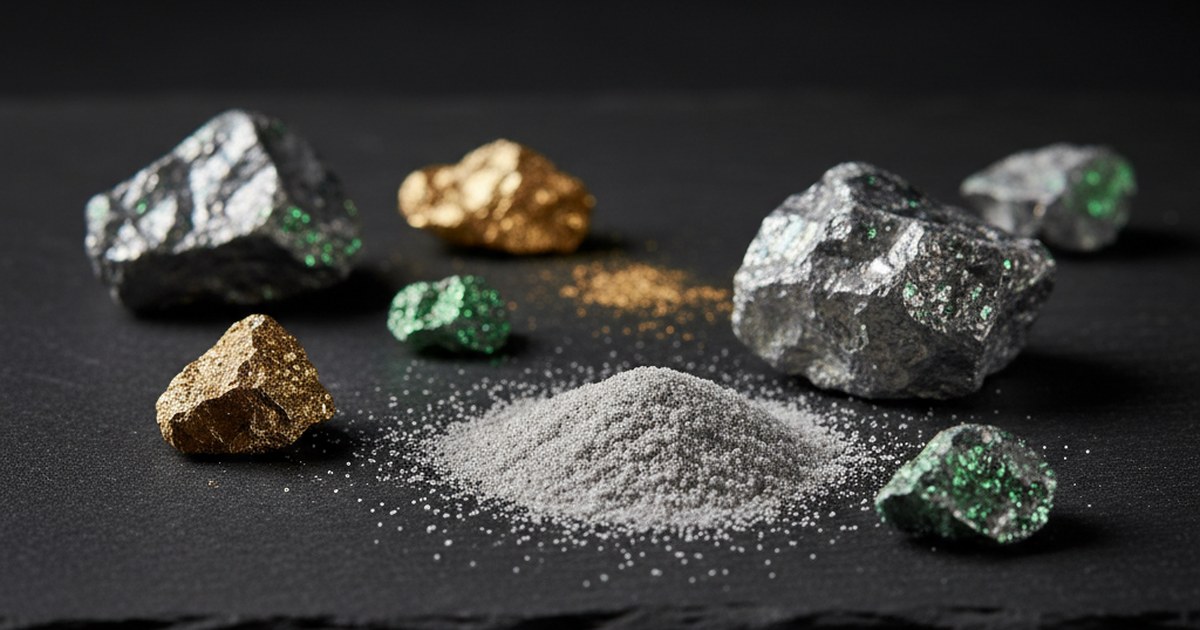
What is Zinc Glycinate Chelate?
Zinc is a trace mineral, meaning you only need a small amount daily, but that small amount is non-negotiable for health. In nature, zinc is often bound to other molecules. Zinc Glycinate Chelate is a specific form where the zinc molecule is chemically bonded to the amino acid glycine.
This process is known as chelation. The word "chelate" comes from the Greek word for "claw." In simple terms, the amino acid wraps around the mineral like a claw. This creates a stable complex that can travel through your digestive system more efficiently than inorganic salts like zinc oxide or zinc sulfate. Because your body is highly efficient at absorbing amino acids, it "smuggles" the zinc along for the ride, leading to better bioavailability.
Where Does Zinc Come From?
In a perfect world, we would get all the zinc we need from the soil via our food. You can find zinc in various natural sources:
- Oysters and shellfish
- Red meat and poultry
- Pumpkin seeds and cashews
- Legumes like chickpeas and lentils
However, modern industrial farming can sometimes deplete soil minerals. Furthermore, many plant-based sources of zinc contain phytates—compounds that can actually block mineral absorption. This is why many people, especially those following a vegan or vegetarian diet, look to supplementation to ensure they are meeting their daily requirements. At Rocket Nutrition, we believe God has provided the building blocks for health in nature, and our goal is to refine those blocks using real science to help you thrive.
How Zinc is Thought to Work in the Body
Once absorbed, zinc goes to work in almost every cell. It is a structural component of many proteins and is essential for the activity of over 300 enzymes. These enzymes are the biological catalysts that keep your systems running.
Zinc is heavily concentrated in the brain, pancreas, and muscles. It plays a role in DNA synthesis and cell division. For men specifically, zinc is found in high concentrations in the prostate and is thought to support reproductive health and the maintenance of healthy hormone levels. By supporting the way your body processes proteins and fats, zinc helps provide the foundational energy you need to show up for your work and your family.
What the Research Looks At
Scientific inquiry into zinc is extensive. Researchers are constantly looking at how this mineral interacts with our biology. Current areas of study include:
- Immune Support: Zinc is studied for its role in the development and function of immune cells. It acts as a signaling molecule for immune responses.
- Oxidative Stress: It is investigated for its potential to act as an antioxidant, helping to protect cells from the wear and tear of daily life.
- Cognitive Function: Research explores how zinc levels in the brain affect memory, focus, and mood stability.
- Skin and Tissue: Zinc is traditionally used to support the body’s natural ability to repair skin and connective tissues.
Forms of Zinc and Why Quality Matters
When you look at a supplement label, the form of zinc matters more than the raw dosage. The most common forms you will see include:
| Form | Absorption Rate | Common Issues |
| :--- | :--- | :--- |
| Zinc Oxide | Low | Can cause stomach upset |
| Zinc Sulfate | Moderate | Often poorly tolerated |
| Zinc Gluconate | Good | Common in lozenges |
| Zinc Glycinate Chelate | Very High | Gentle on the stomach |
Inorganic minerals often break apart in the stomach acid, where they can bind to other dietary fibers and be flushed out before they are ever used. The glycinate chelate form stays intact through the stomach, making its way to the small intestine where it is absorbed effectively. This ensures you get the most out of every milligram without the digestive discomfort common with cheaper alternatives.

How Much and How to Take Zinc
The Recommended Dietary Allowance (RDA) for men is generally around 11mg per day. However, factors like intense physical activity, stress, and diet can increase your needs.
It is best to take zinc with a meal to further minimize the chance of nausea. Since zinc can compete with calcium or iron for absorption, it is often wise to take it at a different time of day than your multi-mineral or dairy-heavy meals. Consistency is more important than timing; choose a time that fits your routine so you don't miss a day.
Who Should Be Careful and Potential Interactions
While zinc is essential, balance is key. Very high doses of zinc over a long period can interfere with the absorption of copper, another vital trace mineral. If you are taking high doses of zinc long-term, you should be mindful of your copper levels.
Those taking certain medications, such as specific antibiotics or diuretics, should consult a professional, as zinc can interact with how these drugs are processed. We always suggest listening to your body and respecting the limits it sets.
How Rocket Nutrition Uses Zinc
We don't believe in fillers or low-grade ingredients. We are a Christian-run company, and we believe in stewardship—taking the best care of what we have been given. That is why in our flagship formula, Rocket Man, we use 14mg of Zinc as Glycinate Chelate. This provides 127% of your Daily Value in the most bioavailable form possible.
Every bottle is made in the USA in a certified facility. Our formula is 100% vegan and natural, ensuring that you are fueling your body with integrity. We include zinc not just for its individual benefits, but for how it supports the other natural botanicals in our blend to help you feel focused and confident.

We stand behind our science. If you don't feel a difference in your drive and daily energy, we offer a 60-day money-back guarantee. We value your privacy and ship every order in discreet packaging, so your health journey remains your business.

A real letter from a Rocket Nutrition customer. We keep every one.
Frequently Asked Questions
Can I take zinc every day?
Yes, zinc is a water-soluble mineral that your body does not store in large amounts. Daily intake is necessary to maintain healthy levels, provided you stay within the recommended daily limits.
Is zinc glycinate better than zinc picolinate?
Both are high-quality, bioavailable forms. However, the glycinate (chelate) form is often favored for being particularly gentle on the digestive tract, making it a better choice for those with sensitive stomachs.
Why is zinc important for performance?
Zinc supports the enzymes involved in protein synthesis and hormone production. By maintaining these core biological functions, you support your body's natural ability to recover from physical stress and maintain consistent energy levels.
*These statements have not been evaluated by the Food and Drug Administration. This product is not intended to diagnose, treat, cure, or prevent any disease.
Meta description: Learn why Zinc Glycinate Chelate is the preferred form for absorption, natural performance, and daily wellness. Science-backed insights from Rocket Nutrition.
